· 2 min read
Why is my saddle stitch loose? Causes and fixes
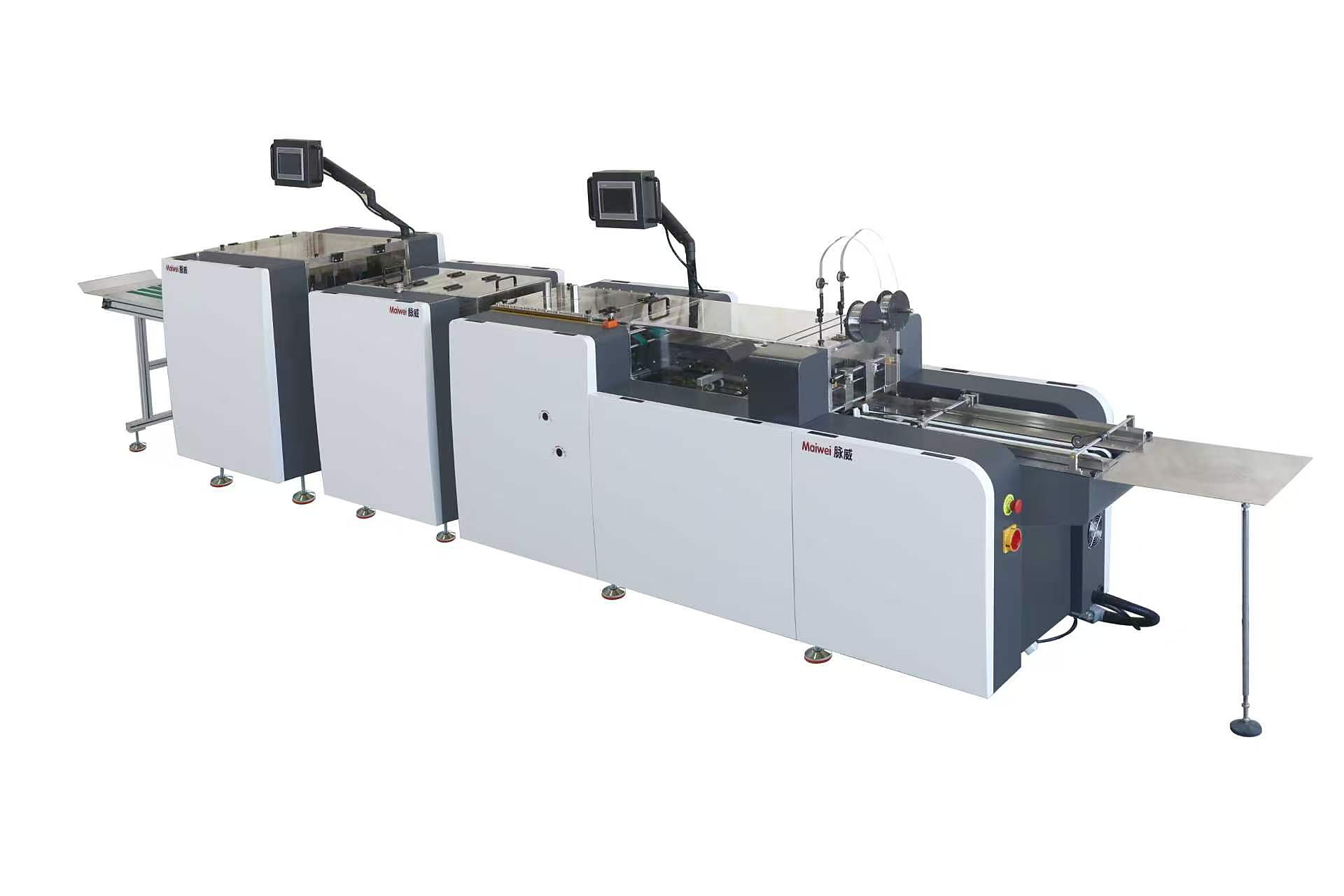
A loose saddle stitch is rarely a stitch problem. It is usually a fold, a registration or a spine-thickness problem showing up at the wire.
Read the guide →How saddle stitching works, how to choose a booklet maker, and how to configure a finishing line.
Start here — what the process costs, and what the terms actually mean.
A loose saddle stitch is rarely a stitch problem. It is usually a fold, a registration or a spine-thickness problem showing up at the wire.
Read the guide →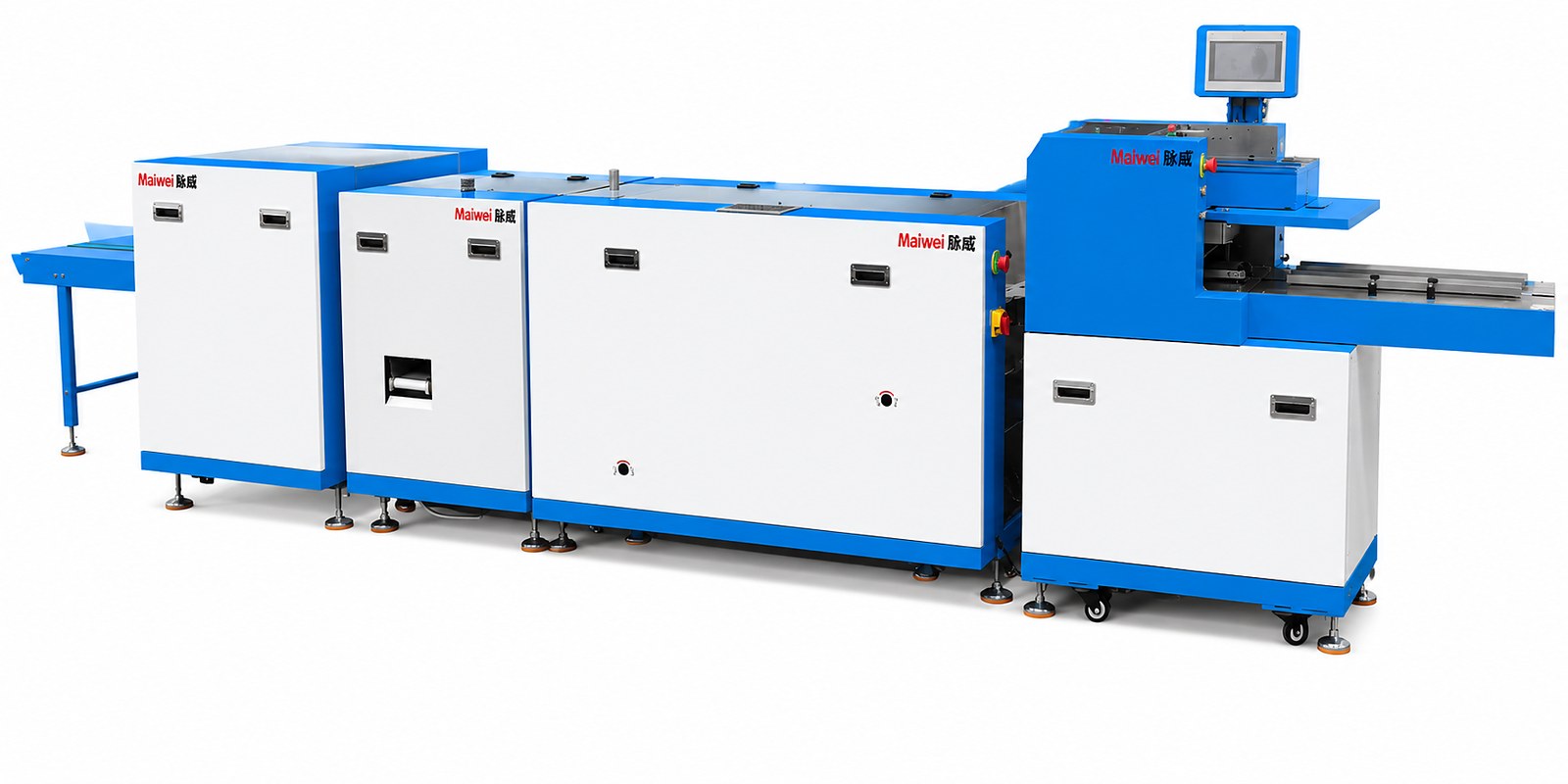
Two quotes for "a saddle stitcher" can differ by more than either buyer expects, and it is rarely because one seller is cheaper. The price sits in the configuration.
Read the guide →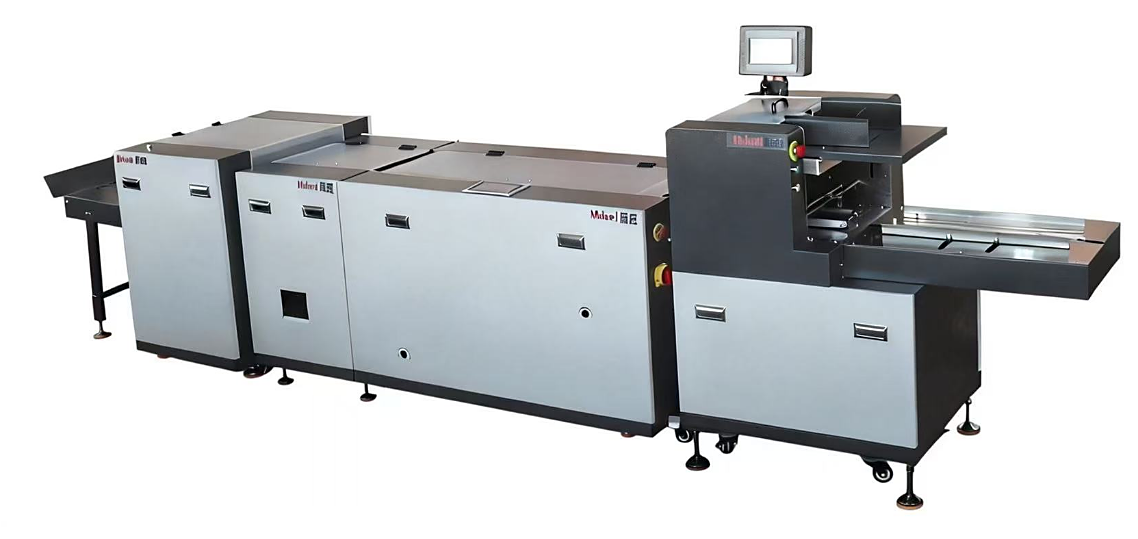
One pass sounds like a marketing phrase until you count the handling steps it removes. Two of them are invisible on a spec sheet and account for most of the saving.
Read the guide →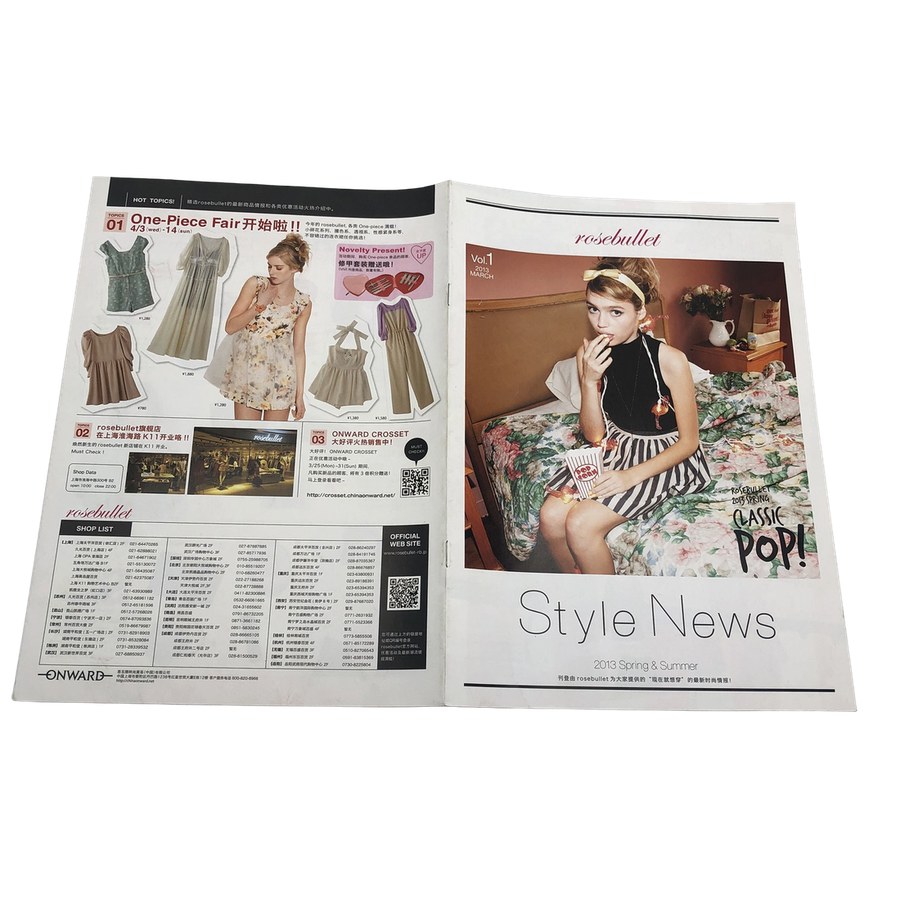
The two methods are not rivals so much as neighbours: each one stops working just where the other starts. The dividing line is thickness, and it is more precise than most people assume.
Read the guide →Which platform and configuration fits the work you actually run.
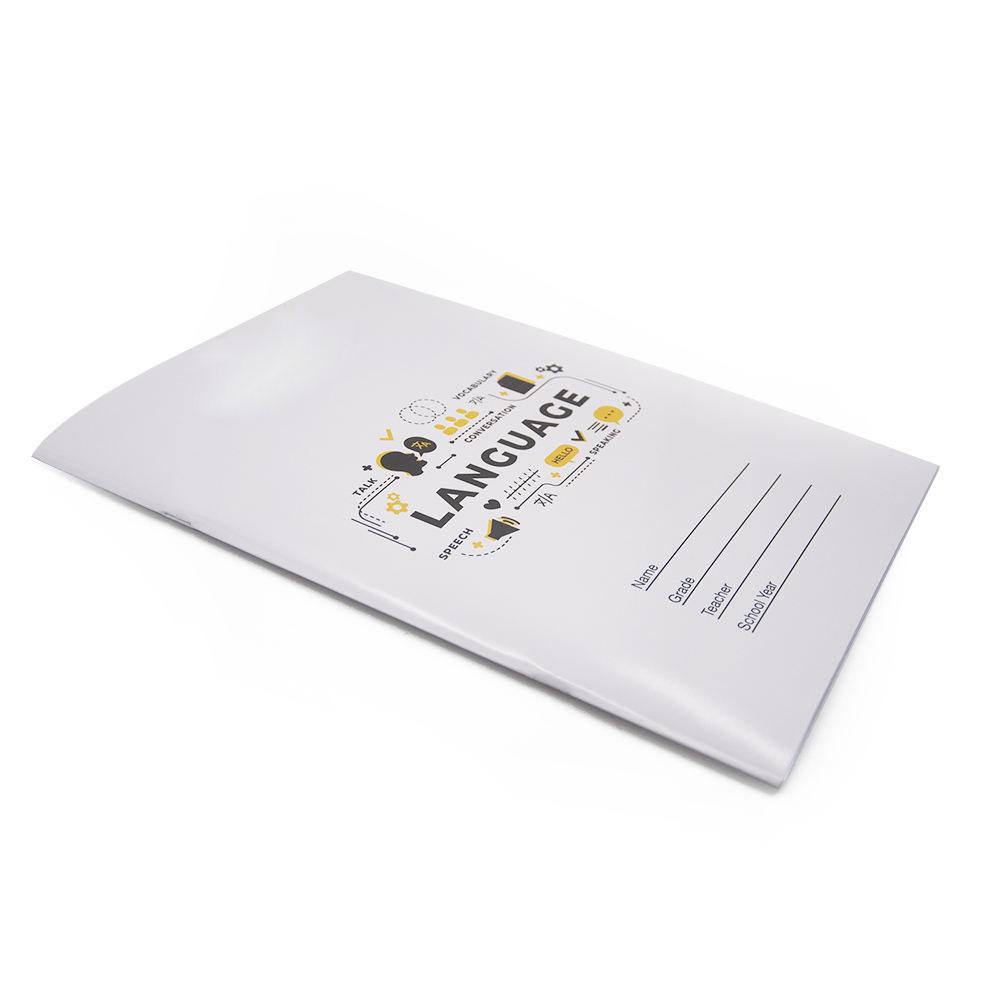
Exercise books are where format width, not page count, decides the machine. They are also where four stitching heads stop being optional.
Read the guide →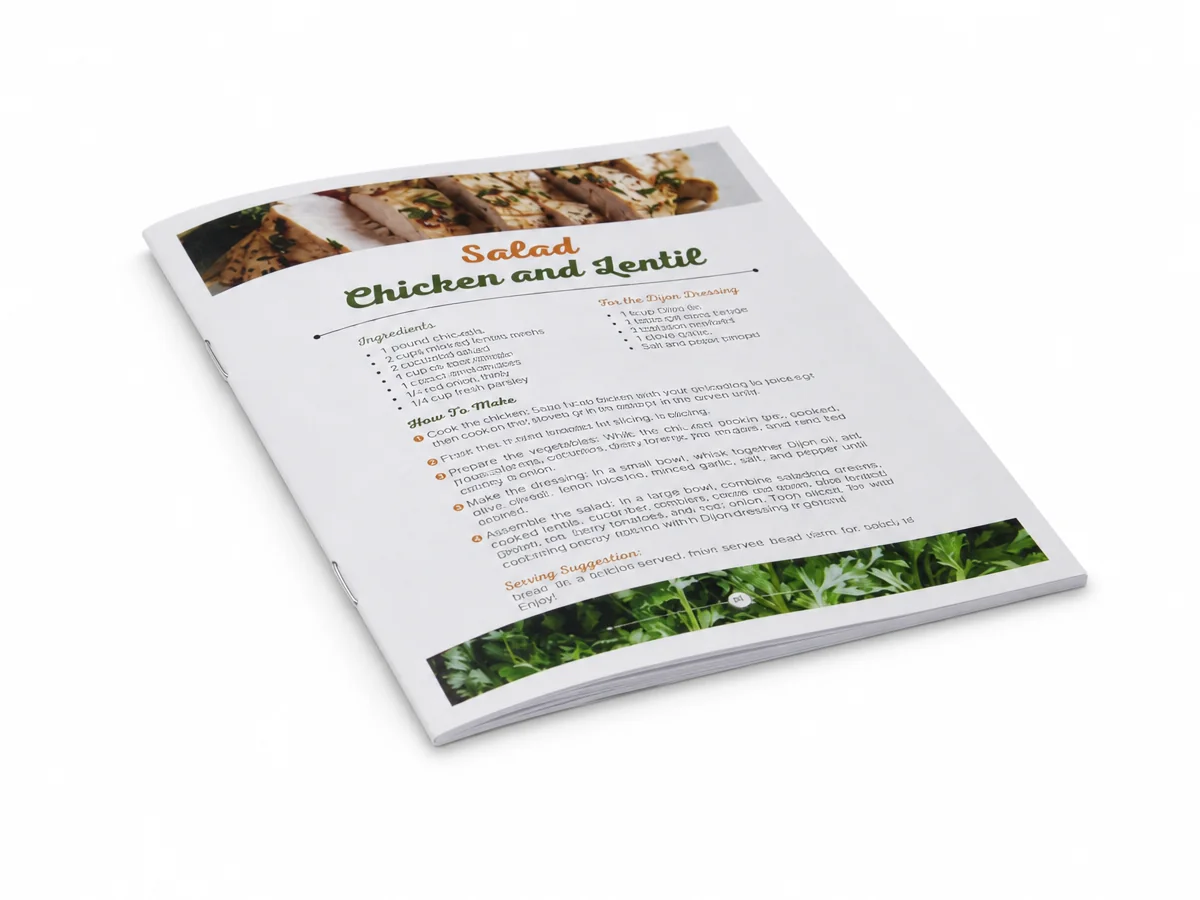
A menu looks like an ordinary saddle-stitched booklet until you try to fold laminated cover stock. The stock, not the page count, decides the machine.
Read the guide →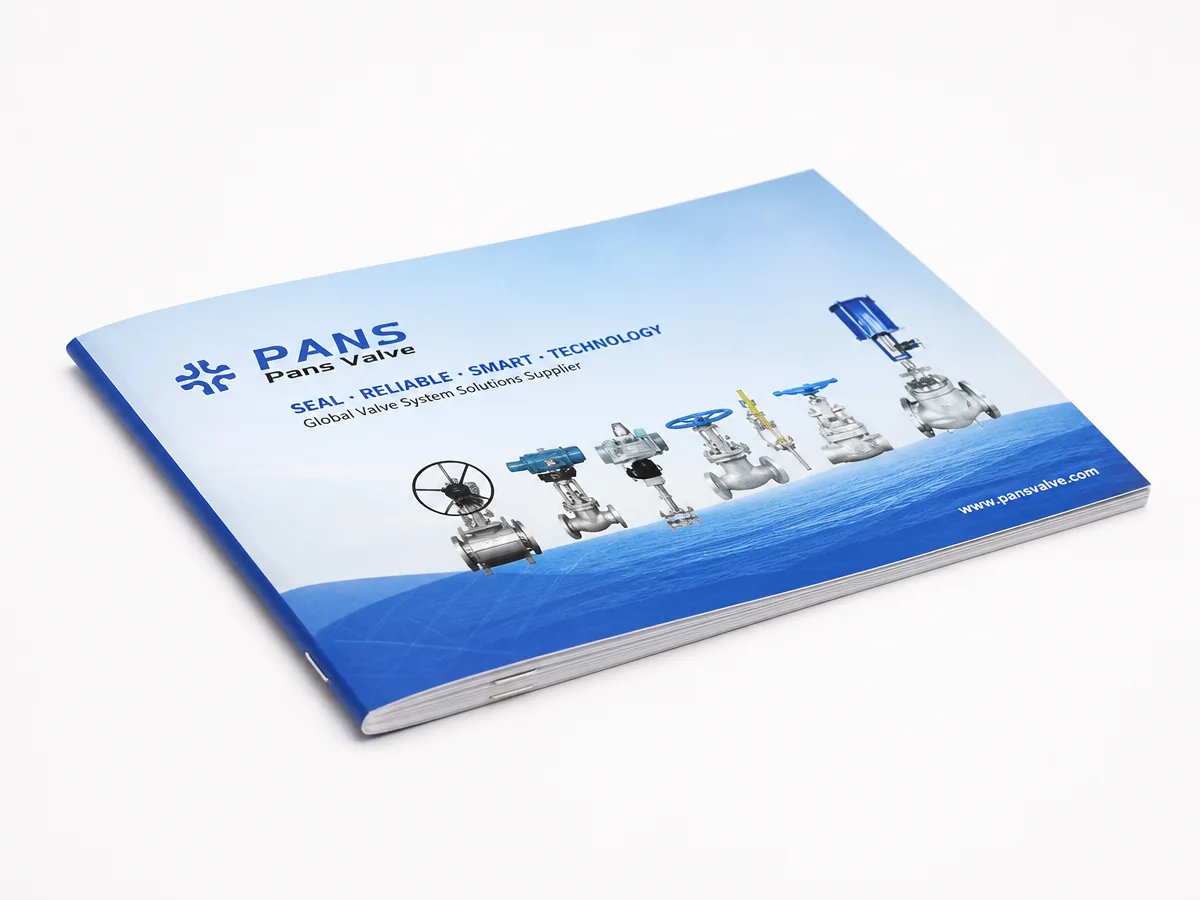
A digital press turns a print shop into a shop that changes jobs ten times a day. That changes which finishing features matter — and which ones turn out to be irrelevant.
Read the guide →
Most first-time buyers size a booklet maker by price and then discover the real constraint is something else entirely. Here is the order of questions that decides it.
Read the guide →Payback, upgrades, and the details that settle the order.
An imported saddle stitcher is a good machine. The question is not whether it works — it is what the premium buys you, and whether your production actually needs those things. Here is how to compare without either side's brochure.
Read the guide →The price difference between a semi-automatic and an automatic saddle stitcher is easy to see. The saving is not, because it hides in operators, start-up waste and how many jobs you can change over in a day. Here is the arithmetic.
Read the guide →Saddle stitching is the cheapest way to bind a booklet that has to open flat and survive postage. Wire-o and spiral open flatter and take more pages. The choice usually comes down to page count, budget and whether the booklet has to lie flat on a desk.
Read the guide →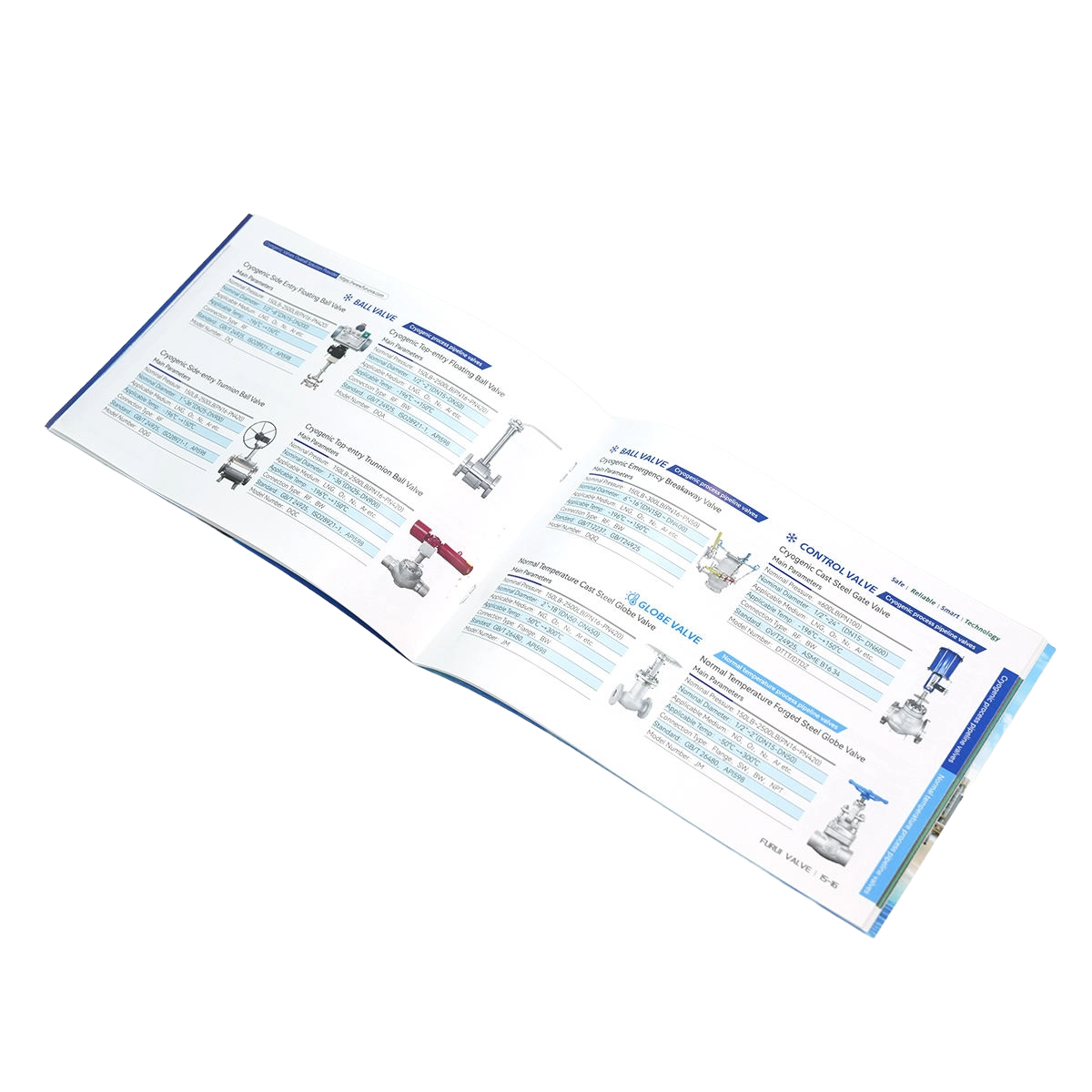
Two trims, two different defects. One squares the edge the reader sees first; the other makes every copy the same width. Most shops need the first long before the second.
Read the guide →
Payback calculations go wrong when they count only time saved at the machine. The bigger number is usually the handling the machine removes altogether.
Read the guide →Two things separate a booklet that looks like a magazine from one that looks like a stapled handout: the cover is fed as its own sheet, and the open edges have been cut square. Both are separate steps, and both can sit on the same line as the stitching.
Read the guide →Want to see our latest news? Visit News →