How to choose a booklet maker for a small print shop
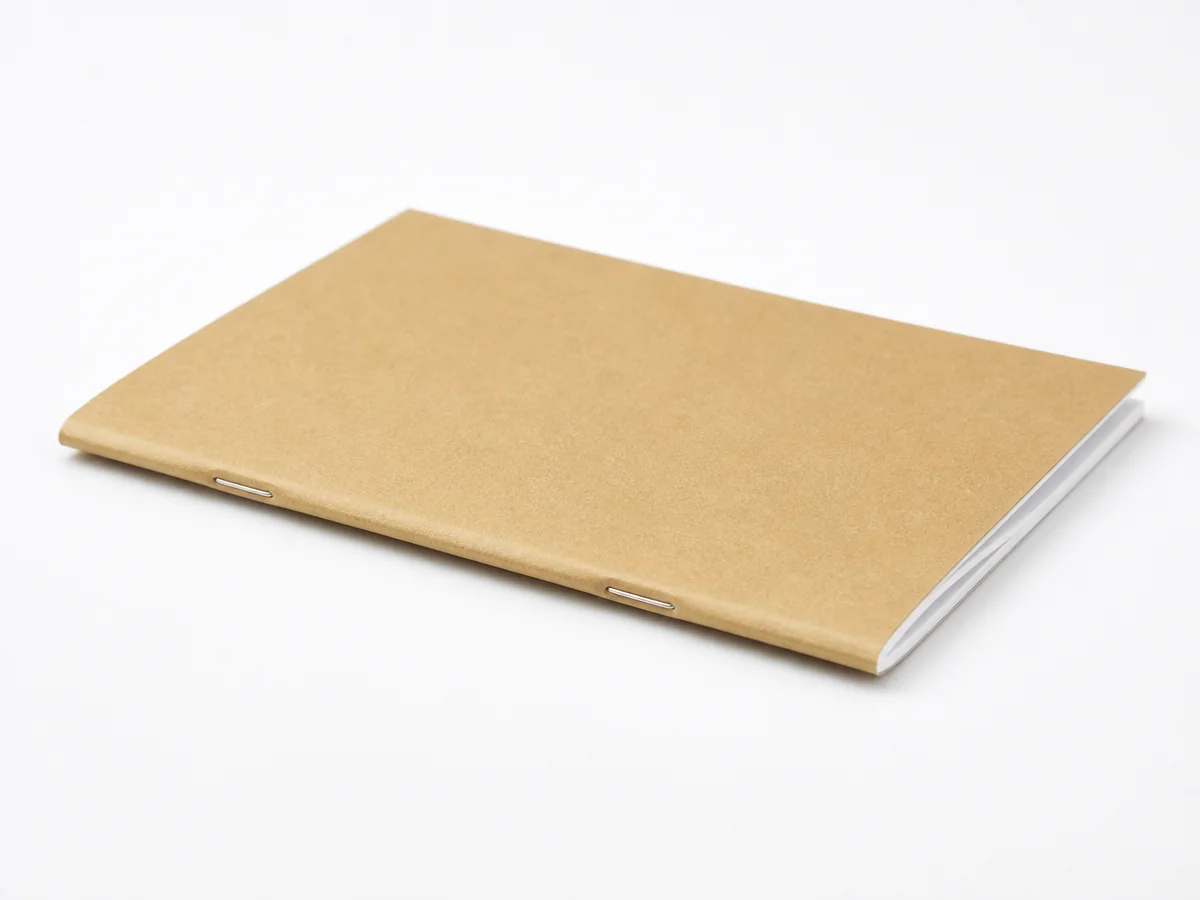
Most buyers start with a budget and work backwards. It is the wrong order. Four physical facts decide which booklet maker fits a shop, and they are cheap to check before anyone talks about money.
Start with the largest sheet you feed, not the finished booklet
A saddle stitcher is sized by the flat sheet that goes in, because that is what has to be handled, folded and stitched. A machine rated for A3 flat output produces booklets roughly half that size once folded. If your work is mostly A4 portrait booklets, an A3-capable machine is already more than you need — but if a single A3 landscape job is in the mix, a machine that cannot take it will turn that job away every time.
See also How much does an automatic saddle stitcher cost?
Write down the two extremes of your last fifty jobs: the largest flat sheet and the smallest. That range, not the average, is what you are buying for.
Then the spine: how many sheets, not how many pages
Stitching capacity is quoted in sheets per booklet. A 60-page booklet is 15 sheets. Buyers routinely confuse the two and buy too little capacity. On a thick spine the wire has to hold a folded bundle that wants to spring open, which is why heavy work benefits from more stitching heads rather than more speed — four heads hold a long spine flat where two let the middle lift.
Then the finishing steps you are currently doing by hand
The honest question is not "what can a booklet maker do" but "which manual step costs me the most time". For most shops it is one of three: carrying folded booklets to a guillotine to trim the face edge, feeding covers by hand, or collating sets before stitching. Each of those maps to an add-on — an in-line trimmer, an automatic cover feeder, a collator. Add only the one that matches your own bottleneck; adding all three at once means paying today for capacity you will not fill for a year.
Finally, the upgrade path
A modular platform is worth more than a faster single machine if your volumes are still growing, because the steps are bought separately and the core machine is bought once. Ask directly: can trimming be added later on this same platform, and can cover feeding? If the answer is no, you are buying your ceiling as well as your machine.
If you want to check any of this against real numbers, our product pages list sheet sizes, spine capacity and output per hour for each configuration — or send us the extremes of your job mix and we will tell you which platform fits.