Cover feeding and trimming: giving booklets that magazine finish
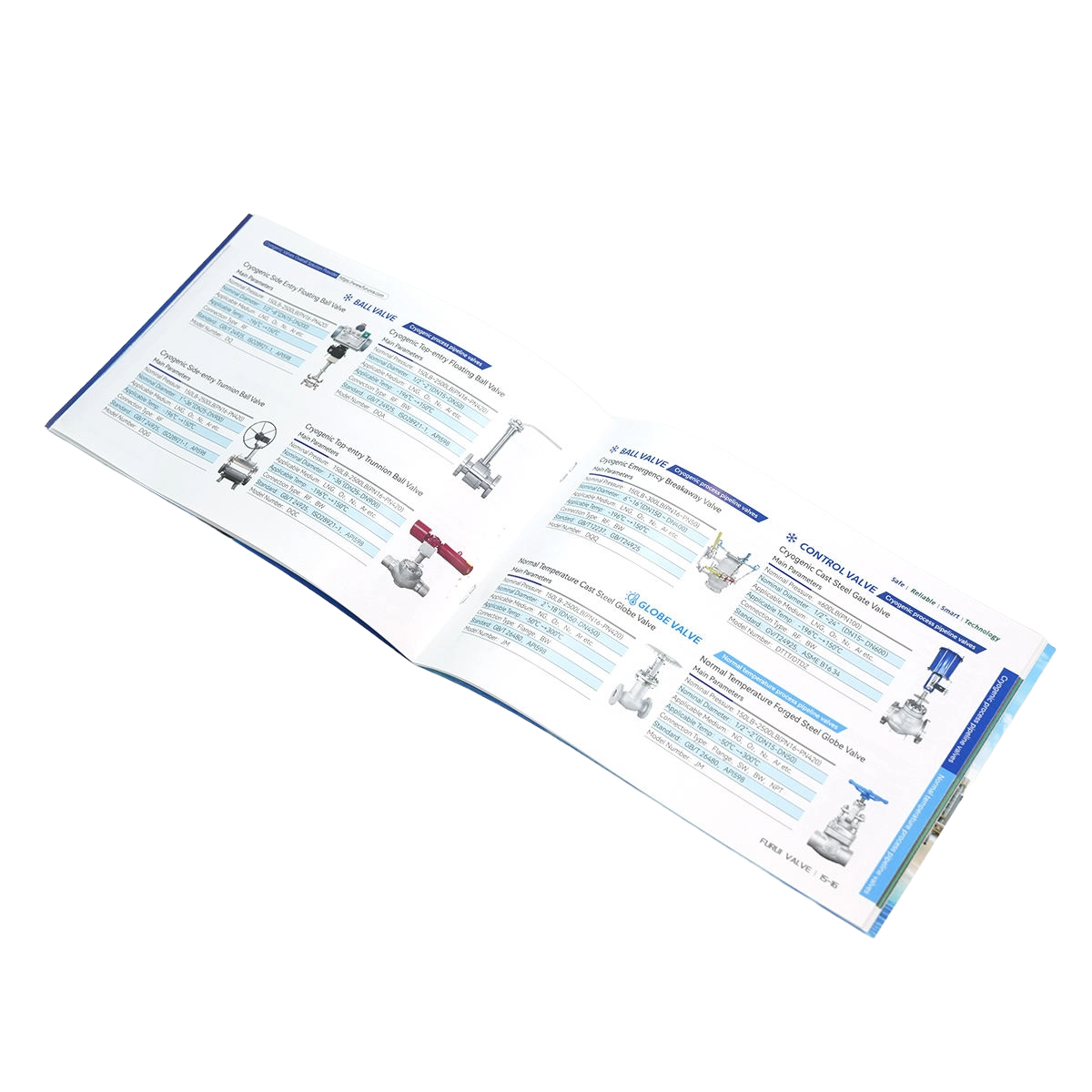
A saddle-stitched booklet is a simple object: folded sheets, two or three staples, one trim. Yet two of them can sit on the same desk looking like entirely different products. The difference is rarely the printing. It is whether the cover was treated as its own sheet, and whether the open edges were cut.
The cover is a different job from the body
The body of a booklet is a stack of similar sheets, and a folded stack behaves predictably. The cover is not that. It is usually a heavier stock, it is printed separately — often with its own artwork, sometimes on a different press entirely — and there is exactly one of it for every booklet. On a machine without a cover feeder, that cover has to be placed by hand, at the machine, for every copy.
See also How to choose a booklet maker for a small print shop
That hand operation is why cover feeding exists. A cover feeder holds the covers as a separate stack and places one on each set as it passes, so the cover is handled as what it is: a different material, fed from a different place, inside the same run.
The visible effect is larger than it sounds. A cover of different weight and finish gives the piece a stiffer spine edge, carries artwork on a surface that does not curl, and stops the whole booklet from reading as a photocopied leaflet.
Why the open edges need cutting
Folding is not exact. When a stack of sheets is folded, the inner leaves push outwards at the open edge, and the amount grows with the thickness of the booklet. The result is a face edge that is stepped rather than flush — the inner leaves sitting slightly proud of the cover. On a thin booklet nobody notices. On anything substantial it is the most obvious sign that a booklet was finished in-house rather than printed properly.
Trimming removes it. The folded booklet is cut on its open edges, which squares the face and makes every copy identical instead of leaving the fold to decide. Up to three edges are involved: the face edge, and the two sides. Which of them a machine can cut is what the F, FS and FSC configurations describe.
Doing both in the same pass
Both steps can be done off-line, and plenty of shops do exactly that: fold and stitch on the booklet maker, add covers by hand beforehand, then carry the stack to a guillotine for the face trim. It works, and at low volumes it is often the right answer.
It costs in three places. The extra handling is labour that has to be done at the machine; the second machine is another queue the job has to wait in; and re-registering a stack that has already been folded is a chance to introduce the very misalignment the trim was meant to remove. An in-line trimmer and a cover feeder move both steps into the same pass as the stitching and folding, which is the difference between a semi-finished stack and a finished booklet at the end of the run.
Deciding whether you need them
Two questions answer most of it. Do your covers differ from the body — different stock, different artwork, a separate print run? If they do, cover feeding is doing real work rather than being a convenience. And does anyone look at your booklets closely enough to notice a stepped face edge? Catalogues, magazines, programmes and sales brochures are looked at closely. Internal handouts usually are not.
If the answer to both is no, you would be buying capacity you will not fill. If either is yes and your volumes are growing, it is worth asking whether the platform you are considering can take those two modules later — the steps can be bought when the work arrives, but only if the platform was designed to accept them.
Our product pages list which configurations carry an in-line trimmer and a cover feeder, and what each platform can take as an upgrade.